
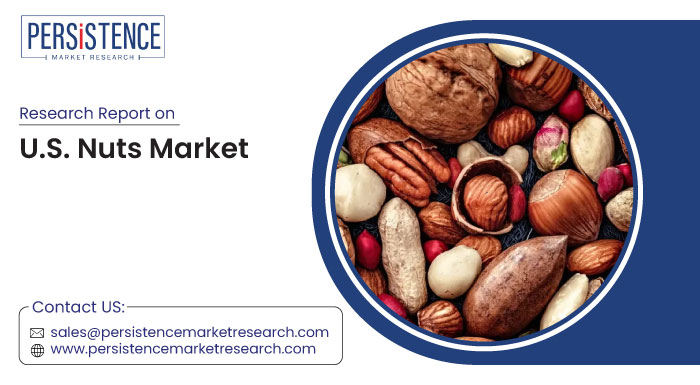
As the wave of health consciousness sweeps across the United States, consumers are becoming more intentional about the foods they consume. Among the top contenders riding this wave are nuts—compact powerhouses of nutrition that are increasingly finding their way into the American diet. Whether eaten as a quick snack, blended into smoothies, sprinkled over salads, or included in plant-based products, nuts are now a staple in kitchens that prioritize health and wellness. The growing interest in clean eating, plant-based diets, and functional foods has led to a noticeable surge in demand for nuts across the country.
According to a recent report by Persistence Market Research, the U.S. nuts market is projected to grow significantly in the coming years. Valued at US$ 10,976.6 million in 2025, the market is expected to reach US$ 16,026.1 million by 2032, registering a steady CAGR of 5.6% over the forecast period. This growth highlights the vital role nuts are playing in modern American diets and the broader shift toward healthier, more natural food choices.
Nutritional Powerhouses Fueling Consumer Demand
One of the primary drivers of this market growth is the nutritional profile of nuts. Rich in healthy fats, protein, fiber, vitamins, and minerals, nuts like almonds, walnuts, pistachios, cashews, and pecans are recognized for their numerous health benefits. Regular nut consumption has been linked to improved heart health, better weight management, reduced inflammation, and lower risk of chronic diseases such as diabetes and cancer.
For health-conscious consumers, nuts offer an ideal combination of satiety and nutrition. Unlike processed snacks loaded with sugar and artificial additives, nuts are minimally processed and naturally rich in nutrients. This has made them a preferred choice for consumers aiming to maintain a balanced diet without compromising on flavor or convenience.
The Rise of Plant-Based and Clean Eating Trends
Another crucial factor behind the growth of the U.S. nuts market is the rise of plant-based diets. As more Americans adopt vegetarian, vegan, or flexitarian lifestyles, nuts serve as a valuable source of plant-based protein and healthy fats. They are frequently used in dairy alternatives like almond milk, cashew cheese, and nut-based yogurts, offering consumers a nutritious and ethical substitute for animal-derived products.
In addition, the clean label movement—where consumers seek transparency in ingredient sourcing and food production—has further boosted the appeal of nuts. Products that feature nuts as a key ingredient often emphasize their non-GMO, organic, and minimally processed attributes, aligning perfectly with the values of today’s mindful eaters.
As people become more discerning about what they consume, nuts are not only being purchased in raw or roasted form but also incorporated into a wide range of functional foods and beverages that promote overall wellness. This includes energy bars, protein powders, snack packs, and even nut butters that come in creative and health-oriented formulations.
Convenience and Portability Drive Snacking Preferences
The fast-paced lifestyle of modern American consumers has significantly shaped food preferences, especially when it comes to snacking. Nuts, being ready-to-eat and easy to carry, have become an essential component of healthy snacking. They offer the convenience that busy individuals crave while satisfying their nutritional needs.
Packaged snack nuts, trail mixes, and individually portioned nut packs are increasingly favored by office-goers, fitness enthusiasts, and students alike. The snackification trend—where smaller meals and snacks replace traditional three-meal patterns—is further pushing the demand for on-the-go nut products. As a result, food manufacturers are responding with innovations in packaging and flavoring, offering options like sea salt roasted almonds, chili lime cashews, and honey-glazed pecans to cater to diverse taste preferences.
Growing Popularity Among Functional Food Enthusiasts
The demand for functional foods—those that provide health benefits beyond basic nutrition—is growing exponentially. Nuts are naturally functional, often associated with specific benefits such as omega-3 fatty acids in walnuts, magnesium in almonds, and antioxidants in pistachios. As consumers increasingly seek foods that support heart health, brain function, and immune response, nuts have become a go-to ingredient in formulating such products.
Many manufacturers are now blending nuts with other superfoods like seeds, dried fruits, and dark chocolate to enhance their functional appeal. These combinations are not only nutrient-dense but also cater to the rising demand for wholesome indulgence—where consumers seek guilt-free treats that satisfy cravings while delivering health benefits.
Regional and Cultural Diversity in Nut Consumption
Across the United States, nut preferences vary by region and cultural background. In the South, pecans are deeply embedded in culinary traditions, while almonds and pistachios have seen increasing popularity on the West Coast due to strong agricultural production in states like California. Meanwhile, diverse immigrant communities have introduced nuts like macadamias, Brazil nuts, and pine nuts into American food culture, adding variety and expanding the market scope.
The multicultural nature of the U.S. population has played a key role in diversifying the nuts market. Foods such as Middle Eastern baklava, Indian cashew curry, and Mediterranean nut-studded salads have become more mainstream, further enhancing consumer familiarity with different types of nuts and their culinary versatility.
E-commerce and Digital Engagement Fuel Market Expansion
Digital transformation has also contributed significantly to the growth of the nuts market in the U.S. As consumers shift toward online grocery shopping, subscription snack boxes, and direct-to-consumer models, nuts have emerged as a popular and highly marketable category. Online platforms allow consumers to explore a wider variety of nuts, specialty products, and unique flavor combinations that may not be available in traditional stores.
Brands are also leveraging social media and influencer marketing to educate consumers on the health benefits of nuts, share recipes, and promote lifestyle integration. This digital engagement helps build brand loyalty while driving awareness and trial among new customer segments—particularly younger, tech-savvy shoppers.
Sustainability and Ethical Sourcing Take Center Stage
As sustainability becomes a central concern in food purchasing decisions, nuts offer a mixed but promising narrative. While certain types of nuts, such as almonds, have been criticized for their water-intensive farming practices, many companies are now investing in sustainable agriculture, fair-trade practices, and environmentally responsible packaging to address these concerns.
Consumers are showing increased interest in ethically sourced and environmentally conscious products, prompting brands to be more transparent about their supply chains. Certifications like USDA Organic, Rainforest Alliance, and Fair Trade are becoming more prominent in the nuts segment, signaling responsible practices and helping brands appeal to environmentally minded consumers.
Outlook: A Growing Market with Room for Innovation
The projected growth from US$ 10,976.6 million in 2025 to US$ 16,026.1 million by 2032, at a CAGR of 5.6%, indicates a healthy and sustained upward trend for the U.S. nuts market. As more consumers align their diets with nutritional, ethical, and environmental values, nuts will continue to hold a central place in health-focused lifestyles.
Looking ahead, innovation will remain key. From flavor fusion and value-added processing to sustainable farming and smart packaging, the potential for differentiation and expansion in this market is substantial. Collaborations with nutritionists, chefs, and wellness influencers will likely play a pivotal role in shaping the next phase of growth.
Ultimately, as American consumers become increasingly mindful of what they eat, the humble nut—once just a holiday snack or trail mix ingredient—is being redefined as a superfood for modern living. Its versatility, nutrient richness, and adaptability to consumer trends make it one of the most dynamic categories in the natural food space today.
