
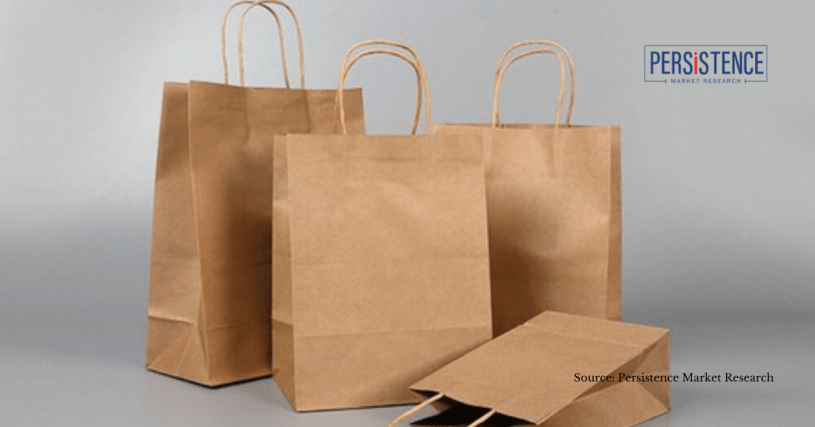
As environmental concerns continue to shape global consumer behavior and policy frameworks, the paper bag market stands at a significant inflection point. Governments and consumers alike are increasingly pushing back against plastic usage, which has fueled demand for sustainable alternatives like paper bags. However, despite the growing emphasis on eco-friendly solutions, the industry faces a series of challenges that may hinder its pace of growth. At the same time, new opportunities are emerging across regions and sectors, opening avenues for innovation and expansion. This blog explores the key challenges and opportunities the paper bag market will encounter in 2025.
Rising Demand for Sustainable Packaging
One of the primary drivers of the paper bag market is the rising demand for sustainable packaging solutions. Consumers are more aware than ever of the environmental impact of plastic waste, prompting a shift toward biodegradable and recyclable materials. Paper bags, being compostable and made from renewable resources, fit well into this paradigm. Retailers and food service providers have responded by replacing plastic bags with paper alternatives, driven both by consumer preferences and regulatory mandates. This movement has led to a notable rise in demand, especially in North America, Europe, and parts of Asia.
According to a report by Persistence Market Research, the global paper bag market size is expected to reach a value of approximately US$ 6.4 billion by 2025. Moreover, it is projected to grow steadily and attain US$ 9.6 billion by 2032, reflecting a compound annual growth rate (CAGR) of 5.9% during the forecast period. This forecast underscores the sustained momentum the industry is expected to experience over the coming years, driven largely by environmental consciousness and regulatory support.
Regulatory Push Against Single-Use Plastics
Government regulations are playing a significant role in accelerating the adoption of paper bags. Several countries have enacted bans or imposed heavy levies on single-use plastic bags. These legislative actions have created a favorable market environment for paper bag manufacturers. In the European Union, for instance, the directive on single-use plastics has led to a surge in demand for paper-based packaging. India, China, and various states in the U.S. have implemented similar measures.
However, these regulations can also introduce compliance complexities. Manufacturers are required to meet stringent environmental standards in terms of sourcing raw materials and ensuring recyclability. For small and medium-sized enterprises (SMEs), adapting to these regulations can be financially burdensome, making scalability a concern. Additionally, inconsistency in regulatory frameworks across regions can create barriers to global trade and standardization.
Supply Chain and Raw Material Constraints
While demand is on the rise, supply-side challenges persist. The production of paper bags is heavily reliant on paper pulp, which is derived from wood. The growing demand for paper packaging has put pressure on forest resources, leading to concerns about deforestation and sustainability of supply. In response, the industry is increasingly looking toward recycled paper and certified sustainable sources, but these alternatives come with their own set of limitations, including availability and higher production costs.
Moreover, the volatility in raw material prices—especially in regions where supply chains are disrupted due to geopolitical tensions or natural disasters—can impact manufacturing costs and profit margins. Transport and logistics constraints further exacerbate the situation, especially in remote or developing regions where infrastructure is not robust.
Competition from Reusable and Hybrid Solutions
As sustainability trends evolve, paper bags are also facing competition from other eco-friendly alternatives. Reusable cloth bags, jute bags, and hybrid materials like biodegradable plastics are gaining popularity. These alternatives often offer superior durability and cost-efficiency over the long term. In particular, industries such as grocery retail and fashion are exploring these options to meet both functional and environmental goals.
To remain competitive, paper bag manufacturers must innovate in terms of strength, water resistance, and design. Technologies such as laminated paper, reinforced handles, and custom printing are being increasingly adopted. However, incorporating these features can raise production costs and pose a dilemma between functionality and affordability for both producers and consumers.
Technological Advancements and Automation
On the positive side, advancements in manufacturing technology are helping the industry overcome some of its operational challenges. Automation and digitization in paper bag production have led to greater efficiency, reduced labor costs, and improved product consistency. Smart manufacturing techniques, including AI and IoT-enabled monitoring systems, are beginning to make their way into larger production facilities.
These technologies also enable better quality control and real-time tracking, which are essential for maintaining regulatory compliance and meeting customer expectations. Additionally, innovations in printing and branding are turning paper bags into effective marketing tools, particularly in the retail and luxury segments.
Growth in E-commerce and Food Delivery Sectors
Another significant opportunity lies in the booming e-commerce and food delivery industries. Both sectors have witnessed exponential growth since the pandemic and are now focusing on sustainable packaging to align with consumer values. Paper bags are increasingly being adopted for deliveries, especially in urban markets where eco-consciousness is high.
Customization and branding are particularly important in these sectors. Businesses are investing in high-quality printed paper bags to enhance customer experience and brand visibility. This trend is expected to create new revenue streams for manufacturers that offer tailored solutions to online retailers and food chains.
Regional Market Dynamics
Regional dynamics play a crucial role in shaping the paper bag market. In developed regions like North America and Western Europe, mature consumer markets and strong regulatory frameworks provide a stable environment for growth. In contrast, emerging markets in Asia-Pacific, Latin America, and Africa are witnessing rapid urbanization and retail expansion, which presents significant opportunities for paper bag adoption.
However, challenges such as lower consumer awareness, limited access to sustainable raw materials, and inadequate recycling infrastructure can hinder growth in these regions. Market players need to tailor their strategies based on regional conditions, investing in education, partnerships, and supply chain localization to tap into these opportunities effectively.
Sustainability and Circular Economy Integration
Looking forward, the integration of paper bags into the broader circular economy framework will be critical. Brands and manufacturers are increasingly focused on life-cycle assessments and carbon footprint reduction. The use of recycled materials, waste management systems, and take-back programs are becoming essential aspects of sustainable packaging strategies.
Companies that can demonstrate a commitment to environmental, social, and governance (ESG) criteria are more likely to gain consumer trust and regulatory favor. In this context, transparency, certification (such as FSC and PEFC), and sustainable innovation will serve as key differentiators in a competitive market.
Conclusion: A Balanced Outlook
The paper bag market in 2025 stands at the intersection of opportunity and challenge. While rising environmental consciousness, favorable regulations, and technological advancements are driving market growth, issues like raw material scarcity, regulatory inconsistency, and competitive pressure from alternative solutions present substantial hurdles. Strategic investments in sustainability, innovation, and region-specific approaches will be essential for industry players aiming to capitalize on this evolving landscape.
As the world moves toward greener practices, the paper bag market has the potential not only to grow but to lead by example in the global transition to sustainable packaging.
Explore the Latest Trending “Exclusive Article” @
