
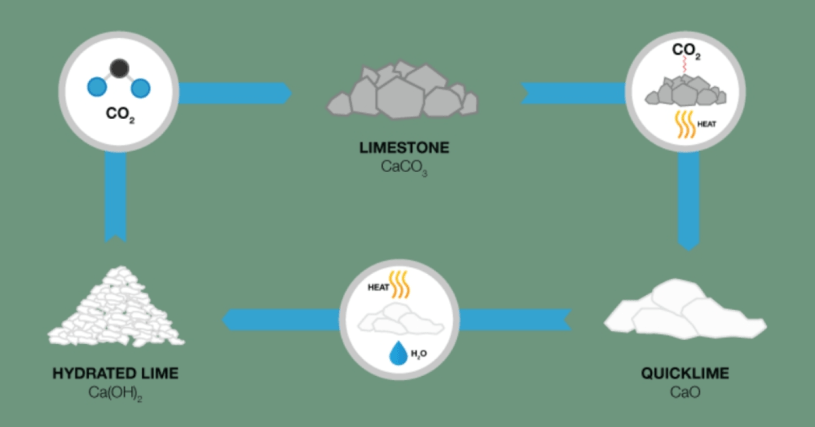
Introduction: Lime’s Expanding Industrial Role
Lime, a versatile chemical derived primarily from limestone, plays a foundational role in several key industries. Known for its properties as a pH regulator, flux agent, and construction stabilizer, lime continues to be an indispensable material in global markets. Among its many applications, the construction and agriculture sectors remain the dominant consumers, using lime for purposes ranging from soil treatment and water purification to cement manufacturing and road stabilization. As infrastructure projects and sustainable farming practices expand worldwide, the demand for lime is poised to grow steadily through the forecast period.
Market Overview: Steady Growth Across Sectors
The global lime market is witnessing stable and consistent growth, reflecting increased activity in both the construction and agricultural industries. According to a report by Persistence Market Research, the global lime market size is expected to grow from US$ 46.5 billion in 2025 to US$ 56.8 billion by 2032. This represents a projected compound annual growth rate (CAGR) of 2.9% during the forecast period. This growth underscores lime’s essential role as an input in foundational industries and its expanding relevance as countries pursue industrial expansion and sustainable development simultaneously.
What is Driving the Demand for Lime in Construction?
Construction remains the largest end-use sector for lime, largely due to its critical use in cement and concrete production. Lime acts as a binding agent in cement and is vital for soil stabilization in civil engineering projects. As urbanization accelerates and governments invest in modernizing infrastructure—such as highways, bridges, residential buildings, and public utilities—the consumption of lime continues to rise. Moreover, the need for durable and environmentally stable construction materials is boosting the adoption of lime-based products, particularly in regions with rapid population growth and industrialization.
How Agriculture Fuels the Global Lime Market
Agriculture is another strong pillar of demand for lime, especially in regions where soil acidity poses a challenge to crop productivity. Lime, primarily in the form of agricultural lime (aglime), is applied to fields to raise soil pH levels, reduce toxicity from elements like aluminum, and enhance nutrient availability. As farmers aim to increase yields while adopting more sustainable and environmentally responsible practices, the use of lime becomes even more crucial. Governments and agricultural agencies across the globe are promoting the use of lime to rejuvenate degraded soil and ensure food security, particularly in emerging economies where agriculture remains a primary livelihood source.
Why is lime important in modern construction and farming practices?
Lime is essential in both construction and agriculture due to its unique chemical and physical properties. In construction, lime improves the durability of building materials, enhances soil strength for foundations, and plays a vital role in producing cement and asphalt. In agriculture, lime helps in neutralizing acidic soils, which boosts crop yields and improves overall soil health. With rising infrastructure needs and increased emphasis on sustainable farming, lime serves as a cost-effective and environmentally responsible solution, making it increasingly valuable in today’s industrial and environmental landscape.
Regional Trends: Emerging and Established Markets
Geographically, Asia Pacific continues to dominate the global lime market due to large-scale industrial activities and infrastructure projects, particularly in countries like China and India. The construction boom across urban and semi-urban areas, coupled with massive agricultural operations, drives robust lime consumption in the region. Europe and North America follow closely, with established infrastructure and a growing focus on environmental restoration and sustainable agricultural practices.
Latin America and Africa are emerging as promising markets for lime, driven by regional development plans, urban expansion, and government efforts to improve soil quality and agricultural output. These regions also face the challenge of rehabilitating overexploited agricultural land, providing further momentum for lime demand.
Technological Advancements Enhancing Lime Efficiency
Innovation is playing a significant role in transforming lime production and application. Advances in kiln technology have improved energy efficiency and reduced the carbon footprint associated with lime manufacturing. Additionally, the development of high-purity lime and customized lime products tailored to specific industrial applications is opening new avenues for growth.
In agriculture, precision application techniques are being used to enhance the effectiveness of lime treatment in fields. These methods ensure optimal pH balance with minimal resource use, aligning with broader sustainability goals. As industries evolve and adopt digital monitoring and automation, the lime market is expected to benefit from enhanced productivity and reduced operational costs.
Environmental Considerations and Sustainability Trends
With global attention focused on environmental sustainability, lime’s ecological benefits are being increasingly recognized. Lime is widely used in environmental remediation processes such as wastewater treatment, flue gas desulfurization, and land reclamation. These applications help reduce pollution, treat contaminated water, and neutralize hazardous waste, positioning lime as an essential component of industrial environmental management.
In the agricultural sector, lime reduces the need for chemical fertilizers and improves the efficiency of nutrient uptake, contributing to more sustainable and organic farming practices. Additionally, the use of lime in carbon capture processes is being researched, highlighting its future potential in combating climate change.
Challenges Facing the Lime Market
Despite its wide application and positive outlook, the lime market faces certain challenges. One of the primary concerns is the environmental impact of lime production, which is energy-intensive and emits significant amounts of CO₂. Regulatory pressures aimed at reducing emissions are prompting lime producers to invest in cleaner technologies and alternative fuels.
Transportation and logistics also pose hurdles, especially in regions lacking robust infrastructure. Lime is a bulk material, and high transportation costs can impact its competitiveness in distant markets. Furthermore, seasonal demand fluctuations in agriculture and cyclical trends in construction can lead to varying consumption patterns, affecting long-term supply planning.
Strategic Opportunities for Market Players
Lime producers have several avenues for strategic growth. Diversifying product offerings to include high-value lime variants—such as hydrated lime and dolomitic lime—can cater to niche applications in chemical processing, water treatment, and metallurgy. Companies can also focus on vertical integration to control raw material sourcing, improve cost-efficiency, and ensure consistent quality.
Another significant opportunity lies in digital transformation. Adopting data-driven processes for lime production and distribution can streamline operations, optimize energy consumption, and enhance customer service. Partnerships with government agencies and agriculture departments to promote awareness and training in lime application can also stimulate long-term demand.
Conclusion: A Market Rooted in Essential Industry
The global lime market remains firmly rooted in its role as an enabler of critical industries—construction and agriculture. With its demand underpinned by infrastructure development and sustainable farming, the market offers long-term stability and growth potential. According to Persistence Market Research, the industry is expected to expand from US$ 46.5 billion in 2025 to US$ 56.8 billion by 2032, achieving a steady CAGR of 2.9%. As technological innovation and sustainability trends reshape industrial landscapes, lime’s importance will continue to rise, ensuring its place at the heart of global development strategies.
Explore the Latest Trending “Exclusive Article” @
